


The HIV and AIDS (Prevention and Control) Act, 2017, marks a significant development in legal framework, as it focuses on crucial areas like the protection of rights and the creation of mindfulness. Since HIV and AIDS is frequently dishonored within various sections and is constantly viewed as an unacceptable issue, the law aims to ensure the safety and well-being of individuals living with HIV. It guarantees these individuals the right to enter educational institutions, healthcare centers, and employment sectors. This law provides safeguards for people living with HIV and aims to eliminate division in various areas like work, education, and healthcare. The Act came into force from 10th September 2018.
WHY IS THE ACT IMPORTANT FOR EDUCATIONAL INSTITUTIONS?
The HIV and AIDS Act, 2017, in educational institutions prohibits discrimination against students, staff, and workers based on their HIV status. Educational institutions must ensure equal access to admission, classes, examinations, campus facilities, and employment opportunities. They must also protect confidentiality, avoid unauthorized disclosure of HIV status, and provide a proper grievance redress mechanism.
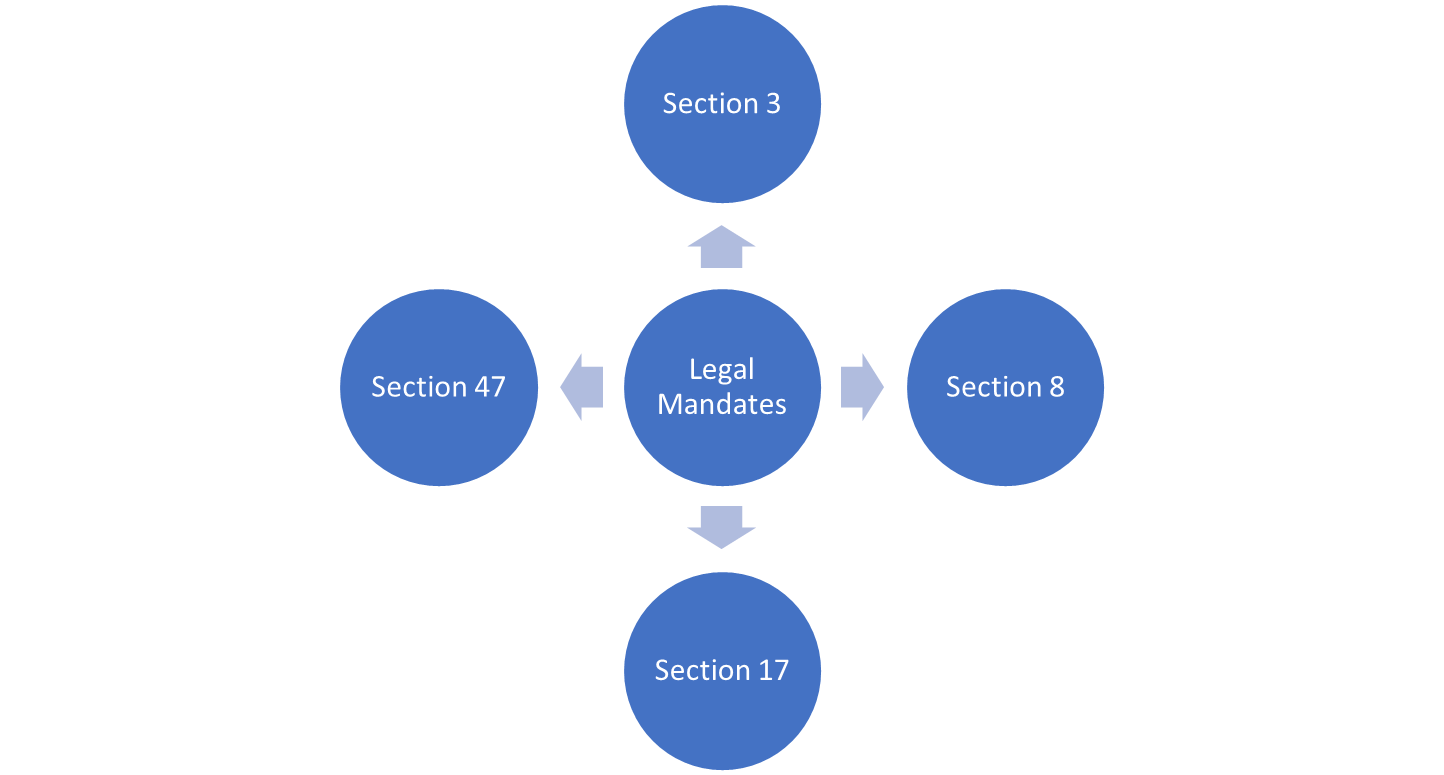
KEY PROVISIONS RELATED TO EDUCATIONAL INSTITUTIONS:
No entry denial or screening based on an individual’s HIV status:
Entry refusal or screening for an individual exclusively based on HIV status is prohibited. Discrimination based on HIV status is not permissible. HIV status must not be used as a basis for discrimination in access to services.
No expulsion or suspension simply because of being HIV-positive:
Individuals cannot be expelled or suspended solely for having HIV. HIV status by itself is not a ground for taking disciplinary action.
Confidentiality regarding HIV status as well as related medical records:
HIV status and related medical records shall remain strictly confidential. Disclosure demands an individual’s informed consent.
Regulatory responsibility for educational authorities to run awareness campaigns to combat stigma:
Educational authorities are required to run awareness campaigns to combat stigma. Regulators takes the responsibility of ensuring the establishment of inclusive and supportive learning spaces.
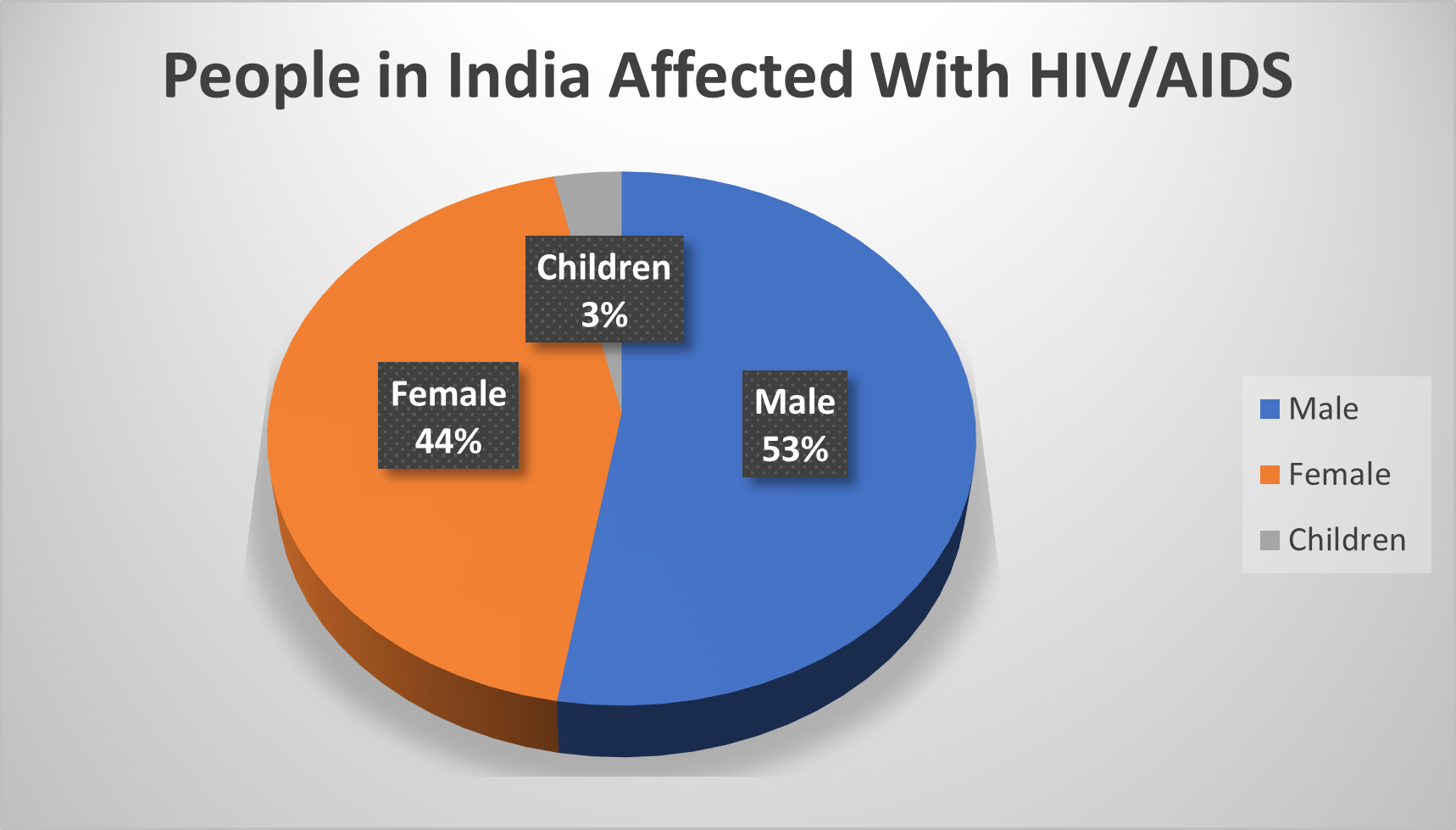
IMPORTANCE AND COMPLIANCE OF THE ACT IN EDUCATIONAL INSTITUTIONS
Millions of young people interact with brilliant educational centers, everyday. The Act aims to help people living with HIV (PLHIV) from being discriminated or barred from entering educational institutions.
- Admission and Access Rights: If a student, staff, or worker is affected with HIV, they cannot be denied entrance simply because of their HIV status.
- Protection Against HIV Discrimination in Education: It goes beyond just admissions; it includes the denial of access to aspects of education similar to class time, examinations, or other academic conditioning.
- Confidentiality of HIV Status and Medical Records: Students and employees registered in academic organizations should keep the privacy of their HIV status. The disclosure of this information should be done with the informed consent of the affected person, and it is applicable to both scholars and staff. Uninformed disclosure results in breach of rights and may procreate internal torture and social rejection.
APPLICABILITY AND EXCEPTIONS UNDER THE ACT
Under the Act, there’s a specific threshold grounded on the number of workers in any institution, divided into orders.
- The threshold is 100 or more persons for establishments like businesses, marketable services and manufacturing units.
- Institutions similar to schools, universities that employ 100 or more workers, staff, or faculty need to appoint a Complaints Officer to handle grievances related to violation of the Act.
- If one educational center has more than one branch, every branch should have a separate Complaints Officer.
- For healthcare establishments similar to labs, and health centers, the threshold is 20 or more persons.
- These establishments should follow guidelines mentioned in the Act, like appointing a Complaints Officer, ensuring a safe working environment for workers, and not informing about the HIV status of workers without their consent.
WHAT ARE THE CHALLENGES FACED BY THE EDUCATIONAL INSTITUTIONS WHILE COMPLYING TO MANDATES GIVEN UNDER THE ACT
-
Absence of awareness and training:
Academic supervisors often allow a hold of the Act’s rules and regulations on how HIV is passed on.
This gap leads to routine discrimination or, in some cases, accidental breaches of confidentiality. -
Social Stigma:
A wide social stain associated with HIV and AIDS in educational institutions prevents these institutions from completely complying with legal regulations.
-
Policy Scarcities:
Numerous institutions still permit comprehensive programs to address HIV-related discrimination or confidentiality issues, creating queries in handling cases effectively. -
Weak Grievance Redress Mechanisms:
Some academic institutions don’t have proper processes for addressing complaints related to HIV discrimination, restraining the options available to affected individuals.
COMPLIANCE CHECKLIST
| Compliance Area | Action Required |
|---|---|
| Admission | Do not deny admission based on HIV status |
| Academic Access | Do not restrict classes, exams, campus activities, or facilities |
| Employment | No discrimination against staff, faculty, or workers |
| Confidentiality | Do not disclose HIV status without informed consent |
| Complaint Handling | Appoint a Complaint Officer, In institutions where applicable |
| Awareness | Conduct HIV and AIDS awareness and anti-stigma programs |
| Policy | Create an internal HIV non-discrimination policy |
| Training | Train HR, faculty, admin, and management teams |
| Records | Maintain confidential complaint and medical records |
The potential future of legal developments is that this will shed light on the responsibilities of the educational centers while demonstrating a powerful and more tangible framework for enforcement. To achieve legislative aims that would truly make PLHIV a fraternity, they will need multiple-departments work allying administration, schools, community health service companies (medical & mental health) and activism groups. Incorporating general education on HIV AND AIDS into the educational curriculum and setting up regular counseling centers will provide greater organizational compliance with statutory obligations, which will ultimately further protect PLHIV persons.
Disclaimer
The information provided in this article is intended for general informational purposes only and should not be construed as legal advice. The content of this article is not intended to create and receipt of it does not constitute any relationship. Readers should not act upon this information without seeking professional legal counsel.

Join Our WhatsApp Channel For Global Regulatory Updates & Analysis Join Now
Really informative article
massive step forward for inclusive education! This policy does more than just protect rights it actively dismantles stigma in the places where young minds grow. True education cannot happen without safety and dignity for every student. Brilliant analysis!